
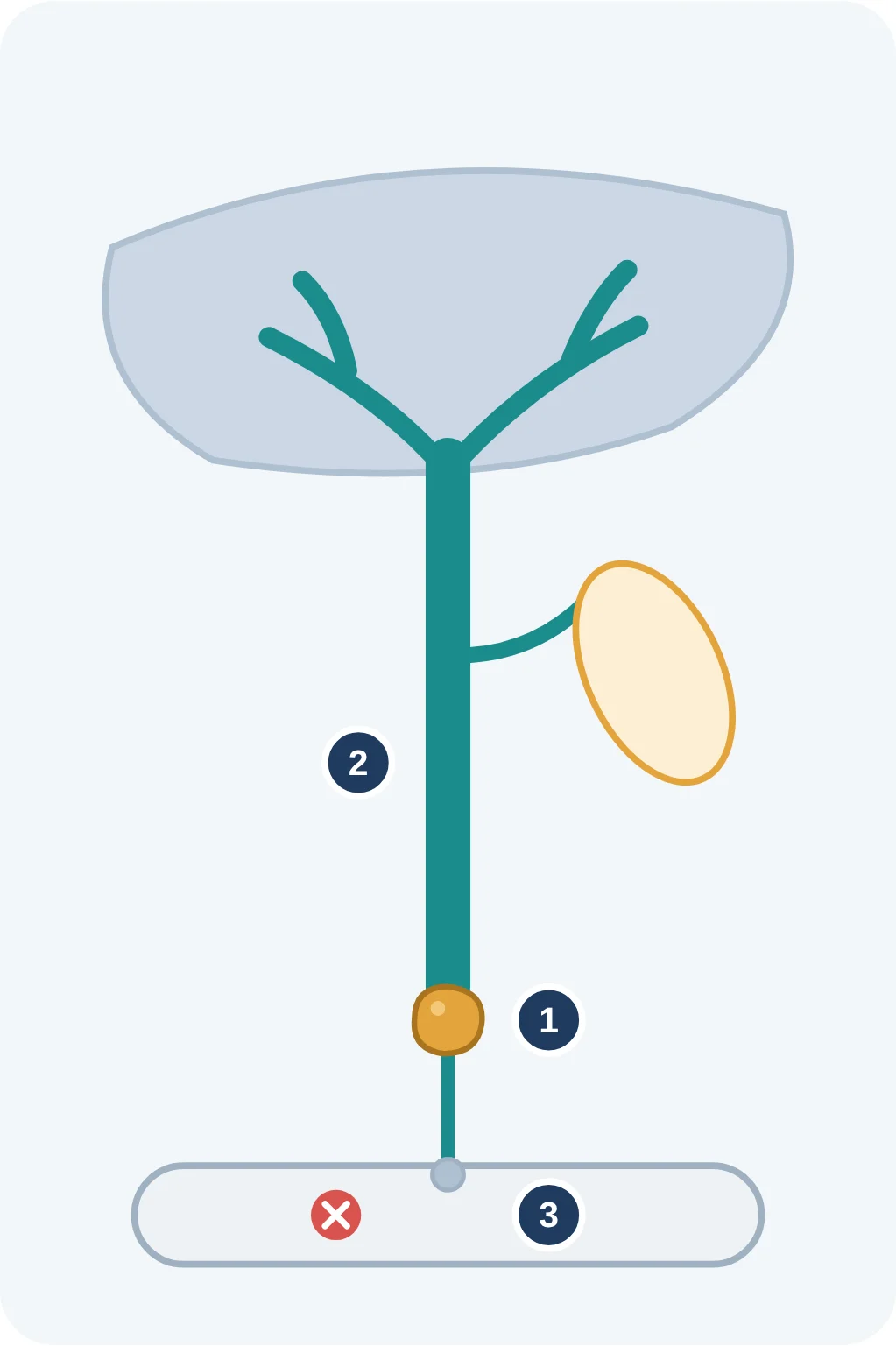
 HígadoVesículaColédocoDuodeno
Un cálculo en el colédoco frena la bilis y dilata la vía de arriba
La mayoría de los cálculos del colédoco nacen en la vesícula y bajan por el conducto cístico. Se traban en la parte final, cerca de la papila, donde el conducto es más angosto.
Por encima del cálculo, la bilis se acumula y el conducto se dilata. Por debajo, la bilis no llega al intestino.
- Cálculo trabado en la parte final del colédoco.
- Colédoco y vía biliar dilatados por encima de la obstrucción.
- Papila: no sale bilis al duodeno.
Vía biliar dilatada más ictericia: hay que buscar algo que tapa el colédoco.
Para pensar¿Por qué un paciente con un cálculo en el colédoco puede tener la orina oscura?
Ver respuestaOcultar respuesta
Porque la bilirrubina conjugada no puede salir por la bilis y pasa a la sangre. Como es soluble en agua, se elimina por la orina.
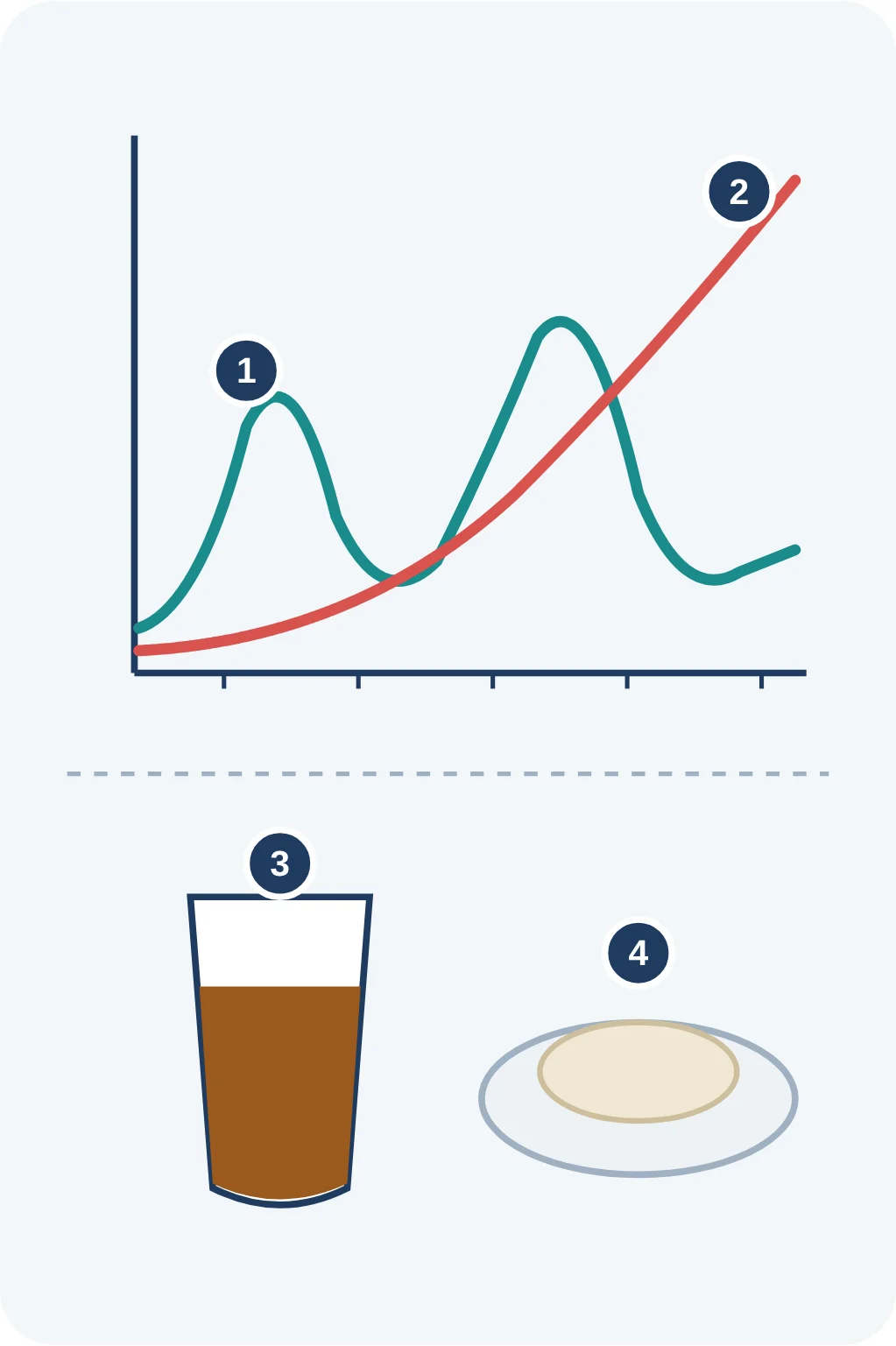 BilirrubinaDías
La ictericia por cálculo sube y baja; la del tumor sube sin parar
La coledocolitiasis da dolor en el hipocondrio derecho o el epigastrio, e ictericia. El cálculo puede moverse, por eso la bilirrubina sube y baja.
El laboratorio es colestásico: suben la fosfatasa alcalina, la gamma-glutamil transferasa y la bilirrubina directa. Las transaminasas pueden subir mucho en las primeras horas y bajar rápido.
- Cálculo: ictericia que fluctúa, con dolor.
- Tumor: ictericia progresiva, a menudo sin dolor.
- Coluria: orina oscura.
- Acolia: heces claras.
Ictericia con dolor que fluctúa: cálculo. Ictericia sin dolor que progresa: pensar en cáncer.
Para pensarUn paciente tiene transaminasas de 800 U/L a las 6 horas de un dolor biliar y de 200 U/L al día siguiente. ¿Esto descarta un origen biliar?
Ver respuestaOcultar respuesta
No. Un cálculo que obstruye de golpe puede elevar mucho las transaminasas en las primeras horas. La caída rápida apoya el origen biliar y no una hepatitis.
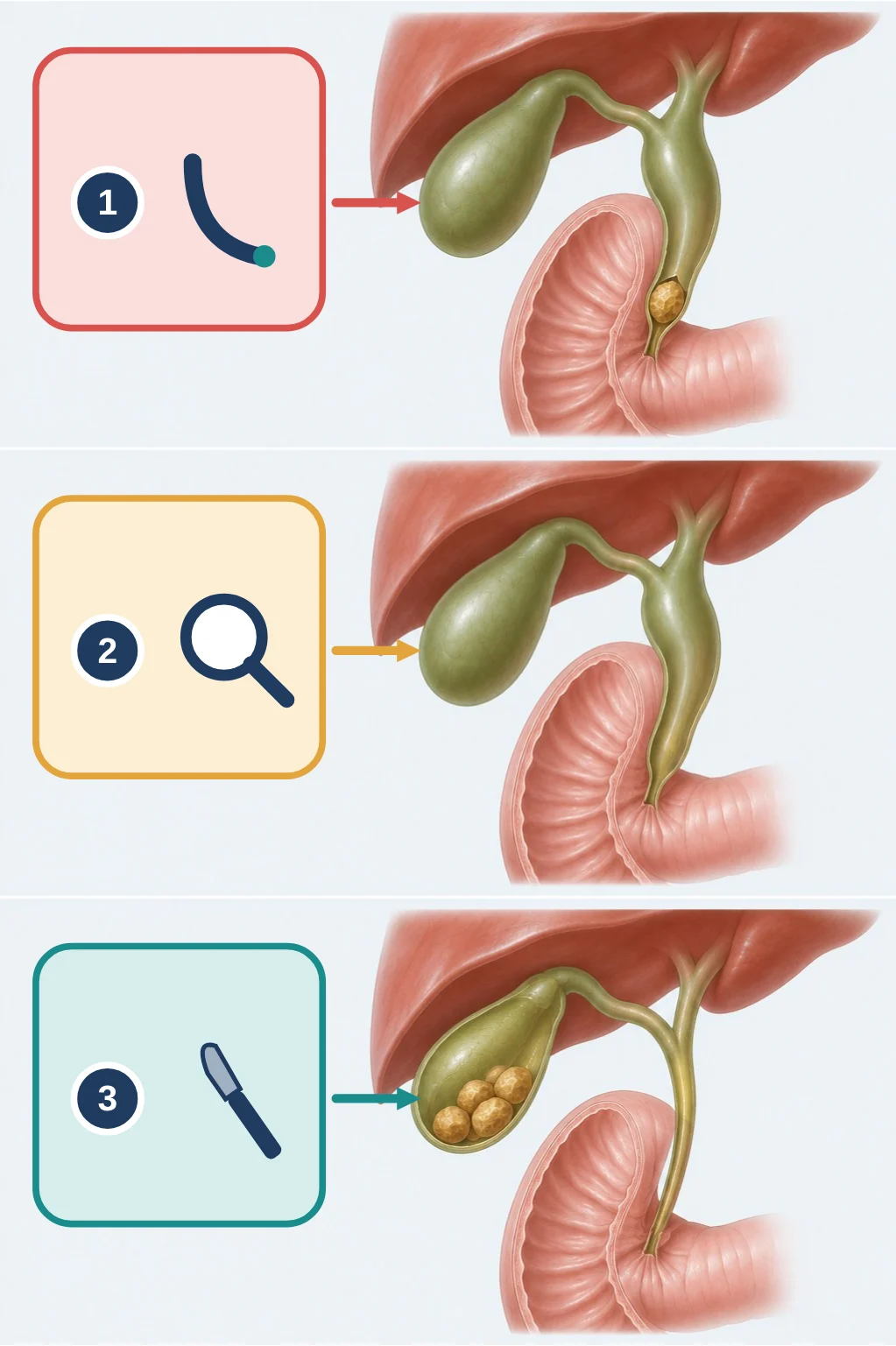
Hay 9 recursos visuales más en este tema
Lo que vas a ver:
- El riesgo de cálculo en el colédoco decide el primer estudio
- La ecografía es el primer estudio: mide el colédoco
- Con riesgo intermedio, primero se confirma sin invadir
- Colangitis: bilis estancada, infectada y a presión
- y 5 más
Este contenido está incluido en los planes pagos, desde Esencial. Si ya eres suscriptor, inicia sesión.
Sobre este tema
La coledocolitiasis ocurre cuando un cálculo obstruye el colédoco y puede causar colestasis; si la vía biliar se infecta, aparece colangitis, una urgencia que puede progresar a sepsis. Reconocer sus manifestaciones y valorar la gravedad permite elegir estudios y tratar a tiempo. Estas tarjetas visuales recorren el diagnóstico, la estratificación del riesgo y las decisiones de drenaje y seguimiento.
Bibliografía
- ASGE Standards of Practice Committee, Buxbaum JL, Abbas Fehmi SM, Sultan S, Fishman DS, Qumseya BJ, et al. ASGE guideline on the role of endoscopy in the evaluation and management of choledocholithiasis. Gastrointest Endosc. 2019;89(6):1075-1105.e15. doi:10.1016/j.gie.2018.10.001 PubMed
- Manes G, Paspatis G, Aabakken L, Anderloni A, Arvanitakis M, Ah-Soune P, et al. Endoscopic management of common bile duct stones: European Society of Gastrointestinal Endoscopy (ESGE) guideline. Endoscopy. 2019;51(5):472-491. doi:10.1055/a-0862-0346 PubMed
- Buxbaum JL, Buitrago C, Lee A, Elmunzer BJ, Riaz A, Ceppa EP, et al. ASGE guideline on the management of cholangitis. Gastrointest Endosc. 2021;94(2):207-221.e14. doi:10.1016/j.gie.2020.12.032 PubMed
- Miura F, Okamoto K, Takada T, Strasberg SM, Asbun HJ, Pitt HA, et al. Tokyo Guidelines 2018: initial management of acute biliary infection and flowchart for acute cholangitis. J Hepatobiliary Pancreat Sci. 2018;25(1):31-40. doi:10.1002/jhbp.509 PubMed
Seguir aprendiendo sobre este tema
- PreguntasPreguntas de cáncer de páncreas
- Recurso visualRepaso para el examen: hepatología

Practica este tema con un caso
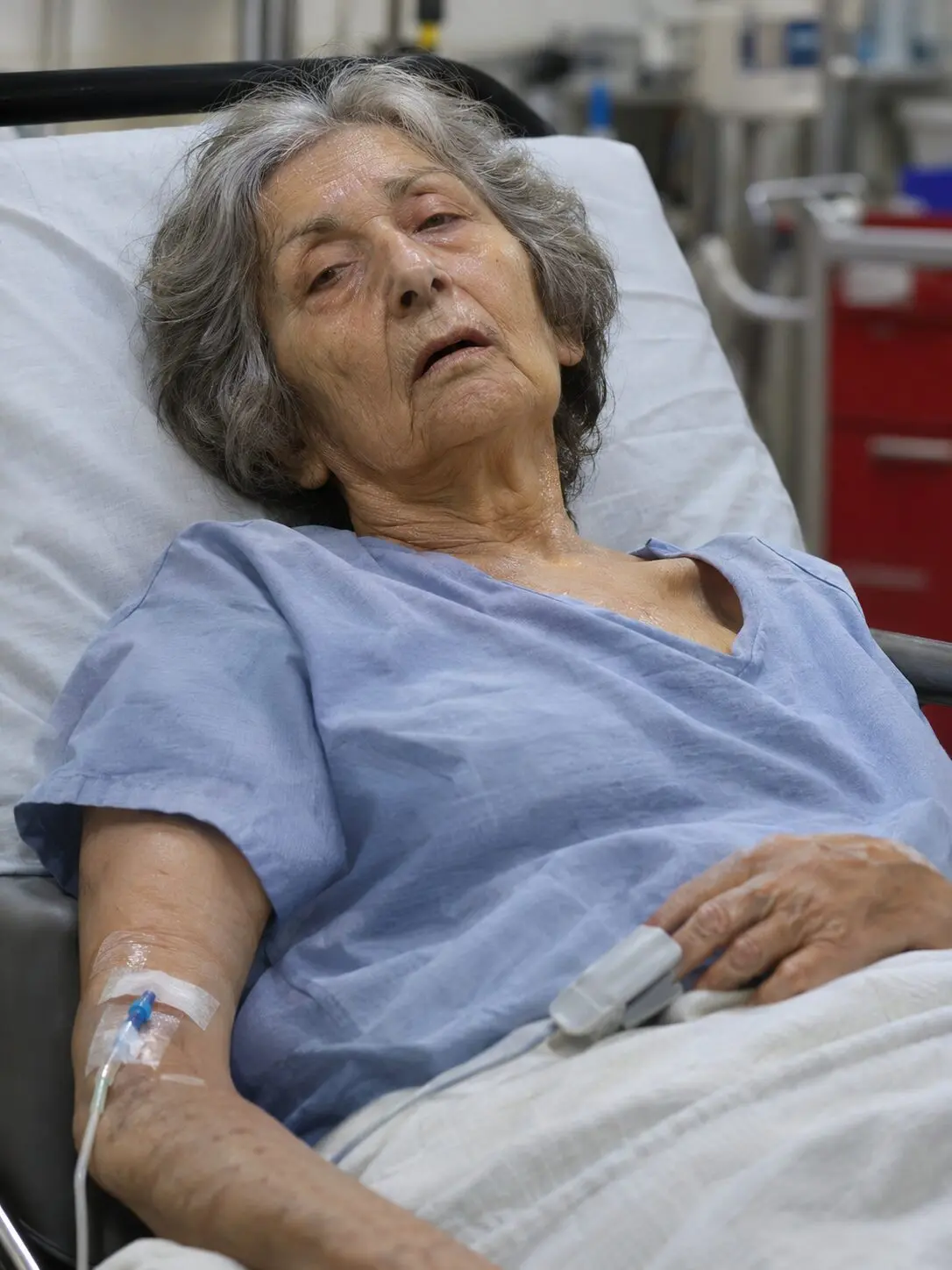
- SimuladorRosa M. 78 años. Confusión y fiebre

Comentarios